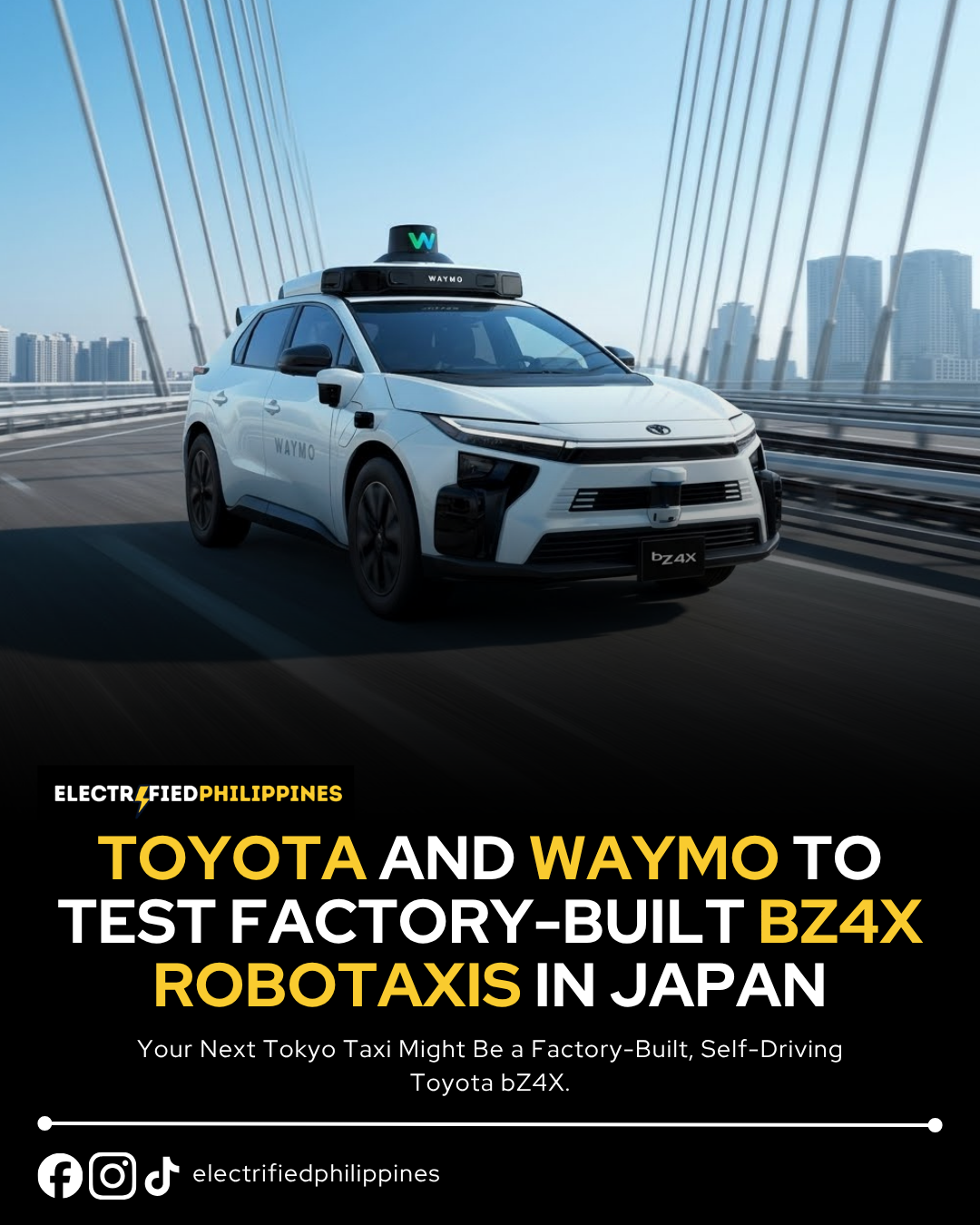
Toyota and Waymo are taking their autonomous driving partnership to the assembly line. Starting next year, the two companies will begin testing a fleet of factory-built Toyota bZ4X robotaxis on the streets of Japan. This moves their relationship from a preliminary agreement signed earlier this year into real-world validation. It also marks a significant shift in how autonomous vehicles are made. Instead of retrofitting finished electric crossovers with aftermarket sensors and computers, these specialized bZ4X models will roll off the line with Waymo’s self-driving technology integrated from the very start.
Toyota will build the vehicles at its Takaoka plant in Aichi Prefecture. Handling everything under one roof—from the base architecture to Waymo’s sixth-generation hardware—changes the game for manufacturing efficiency. It allows for strict quality control that is hard to match when tearing apart a finished car to add sensors later. Because these electric SUVs are built specifically for commercial ride-hailing, the interior is customized for passengers. Riders can expect extra legroom, ambient lighting, a power liftgate, and automatic doors designed to mimic the classic Japanese taxi experience.
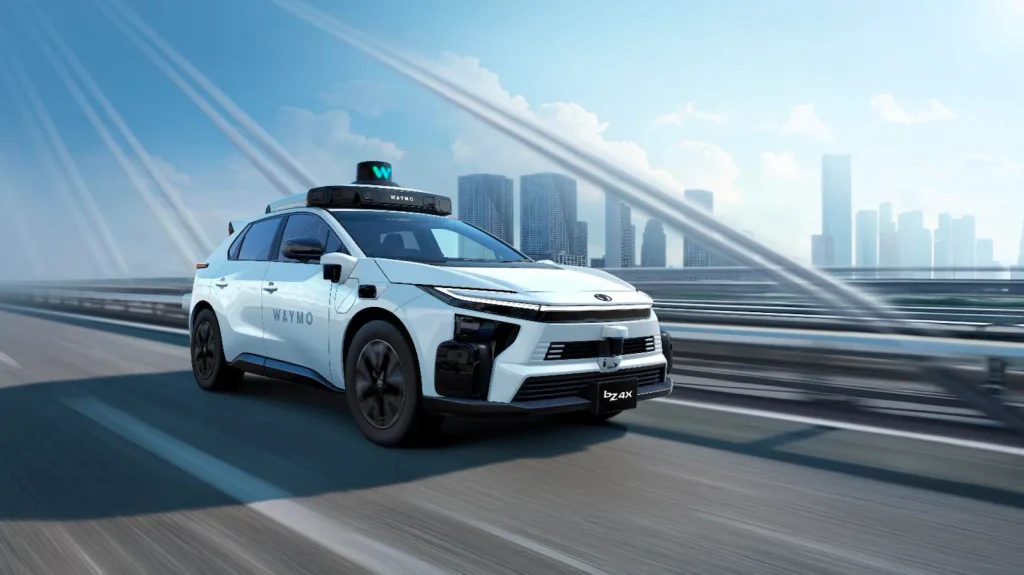
Tokyo will serve as the initial testing ground. To get passengers into seats, Waymo is partnering with local taxi giant Nihon Kotsu and the GO ride-hailing platform. The pilot will start small next year to focus on testing and safety validation. If all goes well and regulators sign off, the fleet will expand to roughly 100 vehicles. The ambition doesn’t stop in Japan, either. Because these are right-hand-drive platforms, the partnership is already looking at future rollouts in the United Kingdom and other international markets where Waymo operates.
This collaboration pairs Toyota’s manufacturing scale with Waymo’s software, giving both companies exactly what they need to scale up. For Waymo, the bZ4X adds another vehicle option to a growing roster that already includes Jaguar, Zeekr, and Hyundai. For Toyota, putting these cars into public service yields massive amounts of real-world operational data. That data will feed right back into its own safety development and its software subsidiary, Woven by Toyota, as the company figures out its place in a driverless future.